
Temple Terrace Roofing Contractor for Wind-Rated, Insurable Florida Roofs
Temple Terrace roofs have a lot working against them. Afternoon thunderstorms roll in almost every day from June through September. Shingle surfaces climb past 150°F, live oaks along the Hillsborough River drop limbs and Spanish moss into valleys, and hurricane season runs six months a year. Add insurers that won't renew policies on older roofs, and a small leak turns into a deadline. Temple Terrace Roof Masters handles shingle and tile replacements, metal roofing, storm and wind damage repair, flat roofs on additions, and leaks around vents and skylights. Every new roof we install meets Florida wind code.
We know the local housing stock. That includes 1920s Mediterranean Revival homes with barrel tile near the golf course, 1950s–70s block ranches with plank decking that needs re-nailing, and carport additions where low-slope sections keep leaking. Our crews also work in Thonotosassa, Carrollwood, Seffner, Mango, Lutz and greater Tampa. On every job you get a thorough inspection, wind mitigation documentation for your insurer, permit handling through the right jurisdiction, and regular updates from tear-off to final inspection.
- ✓Bonded and insured
- ✓Every new roof built to Florida Building Code wind requirements
- ✓Wind mitigation documentation for your insurance carrier
- ✓Permits handled for Temple Terrace, Tampa, Hillsborough and Pasco
- ✓Financing available
- ✓Local crews within a 20-mile service radius
- ✓Regular project updates from start to finish
Request Your Free Estimate
No obligation. Fast, honest quotes.
Thank you — your request was sent!
A member of the Temple Terrace Roof Masters team will reach out shortly. Need help now? Call (813) 696-3789.
Why Temple Terrace Homes Need a Roofing Contractor Who Knows Florida
A roof in Temple Terrace deals with lightning, hurricane-force wind, year-round UV and humidity that grows algae on almost any surface. It also has to satisfy an insurance company. Here's what makes roofing here different from roofing almost anywhere else in the country.
Climate: Heat, Lightning, Wind and 50 Inches of Rain
Temple Terrace gets roughly 46–50 inches of rain a year, and most of it falls between June and September in nearly daily afternoon storms. Tampa Bay has some of the highest cloud-to-ground lightning density in the U.S., so strikes on roof-mounted equipment and vents are a real risk. Summer highs of 90–92°F push dark shingle temperatures well past 150°F. That heat bakes out asphalt oils, speeds up granule loss and dries out sealant strips. Strong UV breaks down underlayment and rubber pipe-boot collars faster than in northern climates. Hillsborough County design wind speeds generally fall in the 140–150 mph range. Hurricane Milton in October 2024 stripped shingles and tile across the county and brought down trees, and Helene, Idalia and Irma tested the same roofs before it.
Built Environment: 1920s Tile, Mid-Century Block and Aging Suburbs
Temple Terrace started as a 1920s Mediterranean Revival golf-course community. Original homes near the Temple Terrace Golf & Country Club and Riverhills still have barrel clay tile, stucco parapets and low-slope sections with internal drains. Most of the city, though, is 1950s–1970s CBS ranch homes with low-pitch hip and gable roofs. Many of them sit on plank or early plywood decking with outdated nailing and no secondary water barrier. Nearby, USF-area, Carrollwood and Brandon homes from the 1970s–90s were often re-roofed after the 2004 hurricanes, and those shingles are now reaching the end of a roughly 20-year life all at once. Newer tile roofs in Westchase and FishHawk Ranch are entering their first replacement window too.
Regulations, Permits and the Insurance Squeeze
Work inside city limits is permitted through the City of Temple Terrace. Tampa issues its own permits. Unincorporated areas such as Thonotosassa, Mango and Brandon go through Hillsborough County, and Wesley Chapel and Land O' Lakes go through Pasco County. Florida's re-roofing rules generally require secondary water resistance and deck re-nailing to current standards when a home is re-roofed. Under the updated 25% rule, a roof built to the 2007 FBC or later doesn't automatically have to be fully replaced when 25% or more of it needs repair. Many carriers won't write or renew shingle roofs older than about 15 years, and many ask for a wind mitigation form (OIR-B1-1802) or a 4-point inspection. HOAs in Carrollwood Village, Tampa Palms and Westchase require architectural review, and designated historic homes may need review before clay tile is changed.
Who We Serve: Long-Time Owners, Landlords and Families
Temple Terrace has about 26,000–27,000 residents. Many are long-time owners and retirees who have plenty of home equity but live on fixed incomes, so a sudden insurance-driven replacement hurts. Investors who own rentals near USF need roofs that can be insured and get finished quickly between tenants. After Helene and Milton, plenty of neighbors dealt with out-of-state storm chasers who took deposits and disappeared. That's why we keep things local, get the permits, put everything in writing and offer financing.
Common Roofing Problems in Temple Terrace and Hillsborough County
Most of the roof failures we see around Temple Terrace follow the same patterns. Heat and UV wear materials out early. Wind-driven rain finds its way past flashing. Trees hold moisture against the roof. Older decking can't meet modern code. Here's what to look for, how serious each problem is and what usually fixes it.
Hurricane and Wind Damage (Lifted or Missing Shingles and Tile) Emergency
High winds break the seal between shingle courses, crease tabs or tear them off completely. On tile roofs, wind can loosen poorly attached tiles, and debris can crack them. Either way, the underlayment ends up exposed to the next storm.
Why it's common hereHillsborough's design wind speeds of about 140–150 mph exist for a reason. Milton's 2024 winds and tornadoes damaged roofs from Temple Terrace to Brandon. Shingles installed after the 2004 storms have spent 20 years in heat that dries out their sealant strips, so they release at lower wind speeds than new ones would. Older mid-century homes often don't have roof-to-wall clips, which makes uplift worse. Even one squall line can loosen a ridge or a whole slope.
Signs you'll notice- Shingles or tile pieces in the yard after a storm
- Exposed felt or bare decking visible from the ground
- Creased or flapping shingle tabs
- Lifted ridge caps or hip tiles
- New ceiling stains after a windy rain
- Granules piling up at downspouts
We see the most wind damage on 1980s–2000s shingle roofs in Terrace Hill, Woodmont, Brandon and Carrollwood, and on hip-and-gable ranches near the river where tall oaks act as wind channels and drop limbs.
Our fix: Emergency tarping to dry the roof in, documented photos for your claim, then targeted repair or full replacement with wind-rated, Florida Product Approved materials.
Failing Tile Underlayment Serious
Tile only sheds bulk water. The underlayment beneath it is the real waterproofing layer. Once that felt cracks, shrinks or rots, water passes straight through even though the tile on top still looks perfect.
Why it's common hereTemple Terrace's heat and constant humidity age underlayment much faster than the tile above it. Clay and concrete tile can last 50 years, but the original felt on many 1990s and early-2000s roofs is already done. On the 1920s Mediterranean Revival homes near the golf course, underlayment has often been patched several times. Since the tile hides the problem, homeowners usually find out from a ceiling stain during a July downpour.
Signs you'll notice- Ceiling leaks during heavy rain with no visible tile damage
- Water stains around valleys or under hip lines
- Musty attic odor
- Cracked or slipped tiles
- Daylight or damp decking seen from the attic
- Insurer flags tile roof age on renewal
This is common in Riverhills, the historic golf-course area, Westchase and FishHawk Ranch, and on tile roofs near Tampa Palms. Homes with 25–30-year-old tile also run into insurance underwriting limits.
Our fix: We remove the tile, replace the underlayment with self-adhered membrane, reinstall sound tile with matching replacements where needed, and re-flash valleys and walls.
Cracked Pipe Boots and Failed Flashing Moderate
Rubber collars seal plumbing vents, and metal flashing seals walls, chimneys and skylights. When the rubber cracks or the metal rusts or pulls away, water runs along the roof deck and shows up somewhere far from the actual entry point.
Why it's common hereFlorida UV destroys rubber pipe-boot collars, often in 8–12 years. Humidity rusts steel flashing and drip edge. Wind-driven rain from summer storms gets pushed sideways under any loose counterflashing. Stucco parapets and wall transitions on Mediterranean Revival and block homes are hard places to flash. If old caulk was used in place of real flashing, it usually fails within a few years.
Signs you'll notice- Small stain on ceiling near a bathroom or kitchen
- Cracked rubber around vent pipes
- Rust streaks below flashing or drip edge
- Gaps where the roof meets a stucco wall
- Leaks around skylights only in wind-driven rain
- Caulk patches on flashing
We find these on nearly every 1950s–70s ranch in Temple Terrace and Lake Magdalene, on stucco parapets in the downtown historic area, and on skylights added during 1980s remodels in Carrollwood Village.
Our fix: Leak tracing, new UV-rated pipe boots, properly lapped step and counterflashing, and new rust-resistant drip edge in place of caulk patches.
Leaking Flat Roofs on Additions and Carports Serious
Low-slope sections over porches, carports and Florida rooms don't shed water quickly. Ponding, seam separation and blistering in old built-up or tar-and-gravel roofs let water into ceilings and the framing below.
Why it's common hereMany mid-century Temple Terrace homes added carport and porch enclosures with very little slope. Those were often covered with tar-and-gravel or rolled roofing that cracks in 150°F sun. Daily summer rain means water sits on these sections for hours. On 1920s homes, internal drains and parapets clog with oak leaves and moss, and water backs up under the membrane.
Signs you'll notice- Standing water 48 hours after rain
- Blisters, cracks or alligatoring on the surface
- Sagging porch or carport ceiling
- Rotted fascia along the low edge
- Clogged scuppers or internal drains
- Leaks where the flat section ties into the main roof
Most common on 1950s–70s ranch additions throughout Temple Terrace and Seminole Heights, on parapet roofs near the golf course, and on commercial strips along 56th Street and Fowler Avenue.
Our fix: Repair or full replacement with TPO, EPDM or modified bitumen, tapered insulation to stop ponding, cleared drains, and a properly flashed tie-in.
Debris-Clogged Valleys and Gutters Under Tree Canopy Moderate
Leaves, pine needles, limbs and Spanish moss collect in roof valleys and gutters. The debris acts like a sponge, holding water against shingles and pushing runoff back under the roof edge.
Why it's common hereTemple Terrace's mature live oaks and pines along the Hillsborough River drop debris all year. In the June–September storm season, a clogged valley can overflow in minutes. Constant dampness under the canopy feeds moss, mildew and rot in decking and fascia. Falling limbs during thunderstorms and hurricanes also puncture roofs directly.
Signs you'll notice- Visible piles of leaves in valleys
- Gutters overflowing during storms
- Green moss on shaded slopes
- Soft or rotted fascia boards
- Water stains on soffit
- Leaks at valley intersections
This shows up constantly in Riverhills, Lettuce Lake, Woodmont and the river-adjacent streets, and on heavily wooded lots in Lutz, Carrollwood and around Lake Thonotosassa.
Our fix: Valley and gutter cleaning, open-metal valley upgrades, gutter guard installation, fascia and soffit replacement where rotted, and a routine maintenance plan.
Heat-Aged Shingles and Poor Attic Ventilation Minor
Shingles that lose granules and oils turn brittle, curl and stop sealing. An under-ventilated attic traps heat that cooks the shingles from below and drives up cooling bills.
Why it's common hereWith summer highs in the 90s and dew points in the 70s, Tampa Bay attics can top 140°F. Many 1970s–90s homes have too little soffit intake or blocked soffit vents, so heat and moisture stay trapped. Shingles age from both sides and wear out years early, and humid attics condense moisture on the decking.
Signs you'll notice- Curling or cupped shingle edges
- Bald spots where granules are gone
- Hot upstairs rooms and high AC bills
- Musty or damp attic
- Rusted nail tips in the attic
- Shingles brittle to the touch
Typical on USF-area homes, Terrace Hill, Carrollwood and Brandon re-roofs done after 2004 that are now 18–20 years old, and on rentals near University Square.
Our fix: Ventilation assessment, balanced ridge and soffit venting, and replacement with reflective architectural shingles once the roof is at the end of its life.
Algae Streaking and Moss Growth Minor
Black streaks come from Gloeocapsa magma algae feeding on shingle limestone filler. Moss and mildew grow in shaded, damp areas and lift shingle edges over time.
Why it's common hereConstant humidity and heavy tree shade make Temple Terrace close to ideal for algae. North-facing slopes stay damp longest. Most of the damage is cosmetic, but thick moss holds moisture, lifts tabs and speeds up deterioration. HOAs in Carrollwood Village and Tampa Palms may send violation notices for heavy streaking.
Signs you'll notice- Black or dark-green vertical streaks
- Fuzzy green moss in shaded areas
- Lifted shingle edges around moss
- Discoloration on north slopes
- HOA appearance notices
Most noticeable on north-facing slopes under oak canopy in Temple Terrace, Lake Magdalene and Carrollwood Village, and on light-colored tile in Westchase.
Our fix: Soft-wash cleaning that's safe for shingles and tile, zinc or copper strip installation, and algae-resistant shingles at replacement time.
Roofing Services for Temple Terrace Homes and Businesses
We cover the roof systems you'll actually find around Temple Terrace: dimensional shingle, clay and concrete tile, metal and low-slope roofs. Every recommendation starts with an inspection, and every new installation is built to current Florida Building Code wind requirements. Because frost isn't a concern here, our cold-weather work focuses on the dry season, not ice and snow.
Roof Replacement & New Roof Installation ⭐ Specialty
Full tear-off and replacement for shingle, tile and metal roofs, plus new installations on additions and new structures. We document every step for your permit file and your insurance carrier.
Our approachWe fully tear off to the deck, re-nail it to current code, add a sealed roof deck or self-adhered secondary water barrier, install new drip edge and flashing, and use Florida Product Approved materials. Your wind mitigation documentation is provided at closeout.
In Temple Terrace, FLThis is ideal for post-2004 shingle roofs in Terrace Hill, Woodmont and Carrollwood that are now facing non-renewal. We often schedule Temple Terrace replacements during the November–May dry season, when afternoon storms aren't threatening open decks every day.
Best for: Homeowners with roofs over 15–20 years old, insurance renewal deadlines, repeated leaks, or homes with plank decking and no secondary water barrier.
Roof Repair, Patching & Roof Damage Repair
Targeted repairs for missing shingles, cracked tile, punctures from limbs, worn pipe boots and leaking roof sections, done without replacing a roof that still has years left in it.
Our approachWe match materials, hand-seal or replace damaged shingles, reset and re-fasten tile, fix the underlayment beneath each repair and photograph the work. We'll tell you plainly if a repair is only buying a few months.
In Temple Terrace, FLWe handle frequent limb-strike and wind repairs under the oak canopy in Riverhills and Lettuce Lake, plus summer-storm patching on USF-area rentals where landlords need quick, documented fixes between tenants.
Best for: Roofs with localized damage, newer roofs under 12–15 years old, and owners who need a dependable fix before a sale or tenant move-in.
Emergency Roof Repair & Roof Tarping
Fast dry-in after hurricanes, tornadoes, fallen trees and sudden leaks. We tarp, secure loose material and stop water from coming inside until permanent repairs can be scheduled.
Our approachWe use secured, weighted or battened tarps fastened to limit added damage, plus photo documentation for your insurer and a written scope for permanent repair. You'll never be asked to sign over your insurance benefits.
In Temple Terrace, FLAfter Milton, many Temple Terrace and Brandon homes sat under failing tarps for weeks. We focus on properly fastened tarps that hold through the daily storms that follow a hurricane.
Best for: Active leaks, tree-fall damage, missing roof sections after a storm, and anyone who needs damage documented quickly for a claim.
Roof Inspection, Leak Detection & Maintenance
Detailed roof inspections, leak tracing and scheduled maintenance, including the condition information insurers ask for when reviewing roof age and remaining life.
Our approachWe inspect the roof surface and the attic, check decking for soft spots, trace leaks back to their source, and look at flashing, boots, valleys and ventilation. You get a photo report and a prioritized repair list.
In Temple Terrace, FLThese are useful for Temple Terrace owners facing a 4-point or roof certification request, buyers looking at mid-century homes, and anyone with hidden tile underlayment leaks that show up only during summer storms.
Best for: Insurance renewals, real estate transactions, post-storm checkups and owners who want to stretch a roof's life with annual care.
Metal Roofing: Standing Seam, Steel & Corrugated ⭐ Specialty
We install and repair standing seam, 5V-crimp steel and corrugated metal roofs for homes, barns and outbuildings, including metal-specific flashing and trim details.
Our approachWe use concealed-fastener standing seam or exposed-fastener panels on proper underlayment, with metal roof flashing, steel ridge and eave trim, and fastener patterns that meet the wind ratings. On older metal roofs, we repair screws, seams and rust spots.
In Temple Terrace, FLMetal is popular on large lots in Thonotosassa, Dover and Seffner. It also suits Temple Terrace homeowners who want a long-lasting, reflective roof that handles hurricane winds and cuts summer attic heat.
Best for: Homeowners planning to stay long-term, rural properties with barns or shops, and anyone who wants better wind resistance and lower cooling loads.
Asphalt Shingle Roofing: Architectural & 3-Tab
New shingle installation and shingle repair using architectural (dimensional) shingles or 3-tab where it fits the budget, along with ridge, starter and hip components rated for high winds.
Our approachWe use wind-rated starter strips, the nailing schedule high-wind zones call for, algae-resistant and reflective shingle options, and balanced ventilation. Repairs match existing color and profile as closely as possible.
In Temple Terrace, FLDimensional shingles are the most common roof on 1970s–90s homes in Carrollwood, Brandon and the USF area. Reflective colors help with Temple Terrace's 150°F roof-surface temperatures.
Best for: Cost-conscious re-roofs, rental properties, HOA communities that allow shingles, and homes where tile or metal isn't practical.
Tile, Slate, Cedar Shake & Copper Roofing
We install and repair clay and concrete tile, along with specialty slate, cedar shake and copper work for distinctive and historic homes.
Our approachWe do tile lift-and-relay with new self-adhered underlayment, use code-approved foam or mechanical attachment, match barrel tile profiles, and handle copper flashing and accent work. Material choices take Florida humidity and wind ratings into account.
In Temple Terrace, FLThis fits the 1920s Mediterranean Revival homes near the Temple Terrace Golf & Country Club, where barrel tile changes may need historic review. It also covers concrete tile in Westchase and FishHawk Ranch.
Best for: Historic and Mediterranean-style homes, upscale HOA neighborhoods, and tile roofs whose underlayment has failed under good tile.
Flat Roofs: TPO, EPDM & Flat Roof Replacement
We repair and replace low-slope roofs on carports, porches, Florida rooms, parapet homes and small commercial buildings.
Our approachWe install white TPO for reflectivity, EPDM rubber or modified bitumen, add tapered insulation to fix ponding, clear internal drains and scuppers, and properly flash the transition to the main roof.
In Temple Terrace, FLWe replace failed tar-and-gravel on mid-century Temple Terrace additions, maintain parapet roofs with internal drains on historic homes, and handle low-slope commercial roofs along 56th Street and Fowler Avenue.
Best for: Ponding or blistered flat roofs, leaking additions, and owners who want cooler, more reflective low-slope surfaces.
Commercial Roofing & Commercial Roof Repair
Repair, maintenance and replacement for small commercial, retail and multi-unit buildings, covering low-slope membranes, metal and shingle systems.
Our approachWe schedule work around tenants and business hours, use membrane and coating systems matched to the building, document conditions for property insurers and plan maintenance for the long run.
In Temple Terrace, FLWe serve strip centers and offices along Fowler Avenue and 56th Street, plus USF-area rental buildings where downtime and tenant complaints get expensive fast.
Best for: Small business owners, landlords and property managers who need dependable, well-documented roof work.
Roof Restoration, Coatings & Waterproofing
Restoration and waterproofing that extend the life of structurally sound roofs, including reflective roof coatings on low-slope and metal roofs.
Our approachWe clean, repair seams and fasteners, prime, then apply elastomeric or silicone coating at the specified thickness. We'll only recommend a coating when the substrate is dry and sound.
In Temple Terrace, FLReflective coatings help bring down summer attic and roof temperatures on Temple Terrace flat roofs and older metal outbuildings in Thonotosassa and Mango.
Best for: Sound flat or metal roofs with surface wear, owners who want to put off a replacement, and buildings with heat problems.
Flashing, Chimney & Skylight Leak Repair
We repair or replace chimney flashing, step and counterflashing, drip edge, metal roof flashing and skylight seals, which are the most common leak sources on Florida roofs.
Our approachWe remove caulk patches, install properly lapped metal flashing, reglet or cut counterflashing into masonry and stucco, use new drip edge and replace skylight curbs or flashing kits as needed.
In Temple Terrace, FLWe take on stucco-wall and parapet transitions on Temple Terrace's Mediterranean Revival homes, chimneys on mid-century ranches, and 1980s skylights in Carrollwood Village that leak in wind-driven rain.
Best for: Recurring leaks in the same spot, leaks that show up only in wind-driven storms, and rusted or caulked flashing.
Soffit, Fascia, Ventilation & Gutter Guards
We replace rotted soffit and fascia, install balanced attic ventilation, and add gutter guards to keep oak and pine debris out of gutters.
Our approachWe use vented aluminum or composite soffit, new fascia boards, ridge and soffit vent balancing, and gutter guards sized for heavy leaf and needle loads.
In Temple Terrace, FLRotted fascia and clogged gutters are constant problems under the live oaks in Riverhills, Lettuce Lake and Woodmont, and better ventilation cuts attic heat during 90°F-plus summers.
Best for: Homes with rot along the eaves, hot attics, high AC bills and gutters that overflow during every afternoon storm.
Dry-Season Roof Replacement & Off-Season Leak Repair
We schedule replacements and leak repairs during Florida's cooler, drier months, roughly November through May, so you're ready before hurricane season.
Our approachWe plan tear-offs for low rain-risk windows, file permits ahead of time, and give you a fast dry-in plan for each day's work. Snow, ice dams and heat-cable work don't apply to the Tampa Bay climate, so we don't sell them.
In Temple Terrace, FLGetting a Temple Terrace roof replaced before June 1 helps you avoid summer storm delays and post-hurricane backlogs, and you'll have updated wind mitigation paperwork before renewal.
Best for: Homeowners with an aging roof who can plan ahead, and anyone whose insurance renewal falls in summer or fall.
Our Roofing Process, From Inspection to Final Sign-Off
Florida roofing involves permits, inspections, insurance paperwork and daily storms. Our process keeps all of that organized, and we keep you updated at every stage so you're never left guessing.
Roof Inspection & Assessment
- Exterior inspection of the roof covering, flashing, valleys, boots and drip edge
- Attic check for decking condition, ventilation and leak trails
- Photo documentation of damage and wear
- Review of roof age and insurance or HOA concerns you're facing
Local note: On tile roofs, we look for signs of underlayment failure that can't be seen from the ground. On mid-century homes, we look for plank decking and rot risk.
Written Scope, Pricing & Options
- Itemized proposal with repair or replacement options
- Clear allowance for any deck or fascia wood replacement
- Material and color choices, including metal and reflective shingles
- Financing options explained if you want them
Local note: Because hidden rot is common in 1950s–70s Temple Terrace homes, we list per-sheet decking costs up front so there are no surprises.
Permits, HOA & Historic Approvals
- Permit filed with the correct jurisdiction
- Florida Product Approval documents submitted
- HOA architectural review packet prepared when required
- Material delivery and crew scheduled
Local note: Temple Terrace, Tampa, Hillsborough County and Pasco County each have their own process. Designated historic homes may need review before clay tile is changed.
Installation & Daily Dry-In
- Property protected and tear-off done in sections we can dry in the same day
- Deck re-nailed and secondary water barrier installed
- New flashing, drip edge, ventilation and roof covering installed
- Daily cleanup with magnetic nail sweeps
Local note: During summer, we start early and size each day's tear-off so the roof is sealed before afternoon thunderstorms arrive.
Final Inspection, Documentation & Closeout
- Municipal or county final inspection passed
- Walkthrough with you and before/after photos
- Wind mitigation documentation provided for your insurer
- Written warranty details and care recommendations delivered
Local note: Submitting updated wind mitigation features, like a sealed roof deck and roof-to-wall attachment, may lower your Florida homeowners premium.
Why Temple Terrace Homeowners Choose Temple Terrace Roof Masters
We Know Temple Terrace Roofs, From 1920s Tile to 1970s Ranches
Roofing in Temple Terrace takes more than a crew and a dumpster. Barrel clay tile near the golf course needs careful lift-and-relay work. Ranch homes in Terrace Hill and Woodmont often hide plank decking and no secondary water barrier. River-adjacent streets in Riverhills and Lettuce Lake are buried in oak debris. We've learned what's usually under each kind of roof here, so we can quote it accurately, plan for it and build a roof that holds up to this climate.
Bonded and Insured, With Nothing Hidden
Temple Terrace Roof Masters is bonded and insured, which protects you and your property while we're on the job. After the 2024 hurricanes, many homeowners learned the hard way that a truck with a magnet sign doesn't guarantee accountability. We encourage every homeowner to check any contractor's licensing through Florida DBPR and ask for proof of insurance before signing. We're glad to provide our documentation, and we never ask you to sign over your insurance benefits.
Every New Roof Built to Florida Wind Code
Hillsborough County design wind speeds run roughly 140–150 mph, and the Florida Building Code is strict for good reason. Every new roof we install meets current wind requirements. That means Florida Product Approved materials, proper deck re-nailing, a secondary water barrier and high-wind fastening patterns. These details are what keep a roof on during a Milton-type storm, and they're also what insurers look for on a wind mitigation inspection.
Wind Mitigation Documentation and Insurance-Ready Paperwork
For a lot of local homeowners, the roof project starts with a non-renewal letter or a 4-point request. We document the work your carrier cares about, including roof covering, deck attachment, secondary water resistance and roof-to-wall connections where they apply. That way you have what you need for your wind mitigation form (OIR-B1-1802) and your renewal. These features may qualify you for premium discounts, and they're worth discussing with your agent.
Permits Handled Across Four Jurisdictions
Temple Terrace permits through its own building department. Tampa has its own process, unincorporated Hillsborough goes through Development Services, and Wesley Chapel and Land O' Lakes go through Pasco County. We handle the filings, product approvals, inspections and HOA architectural review packets for communities like Carrollwood Village, Tampa Palms and Westchase. If your home is in the historic district, we'll help you work through material-change reviews before any tile comes off.
Transparent Pricing and Financing Available
Many Temple Terrace homeowners have lived in their homes for decades and are on fixed incomes, and an insurance-driven replacement can come with no warning. Our proposals are itemized, including per-sheet pricing for any rotted decking we find during tear-off, so the final bill doesn't surprise you. Financing is available to help spread out the cost of a replacement, making it easier to meet a renewal deadline without draining your savings.
Fast Storm Response and Steady Updates
When a summer storm or hurricane opens up your roof, every hour matters. We offer emergency repair and properly secured tarping to stop interior damage, along with photo documentation for your claim. On every project, big or small, we keep you posted on permit status, scheduling, weather delays, what we find during tear-off and final inspection. You'll always know what's happening on your roof.
Local, Bonded and Insured Roofing You Can Verify
After the 2024 storms, Temple Terrace homeowners became more careful about who works on their roofs, and they should be. We earn trust the straightforward way: we show up, pull permits, document the work, build to Florida wind code and keep you informed throughout. Ask your neighbors, check our documentation, and compare our itemized proposal with anyone else's.
Bonded • Insured • Financing available
Roofing Service Areas Around Temple Terrace
We're based in Temple Terrace and serve homes and businesses within about 20 miles, from the Hillsborough River neighborhoods out to rural East Hillsborough and the growing Pasco suburbs. Each area has its own roof types, permitting office and HOA rules, and we work with all of them.
Temple Terrace & North Tampa
East Hillsborough & Rural Communities
South Hillsborough & Pasco Suburbs
We serve properties within roughly 20 miles of Temple Terrace. If you're near the edge of that radius, contact us and we'll confirm whether we can take on your project. Not sure if we cover your area? Call (813) 696-3789.
How Much Does a Roof Cost in Temple Terrace, FL?
Roofing prices around Temple Terrace depend on material, roof size and pitch, what's under the old roof, and code-required upgrades. The ranges below reflect typical Tampa Bay pricing, so you can budget realistically before your inspection.
Roofing Material Primary Factor
Material has the biggest effect on price. Architectural shingles are the most affordable full-replacement option in Hillsborough County. Standing-seam metal usually costs about two to three times as much. Concrete and clay tile run higher still, partly because of labor and new underlayment. Specialty materials like slate, copper and cedar shake sit at the top of the range. Each option comes with different lifespans, wind performance and insurance underwriting limits that matter here.
Roof Size, Pitch & Complexity Primary Factor
Roofs are priced by the square (100 square feet). A simple low-pitch hip roof on a 1960s Temple Terrace ranch costs less per square than a cut-up roof with multiple valleys, dormers, skylights and parapets. Steeper pitches need extra safety setup and take longer. Mediterranean Revival homes with stucco parapets and mixed tile and flat sections are among the most detail-heavy roofs in the area.
Decking Condition & Hidden Rot Major Factor
Many mid-century homes in Temple Terrace have plank decking, older plywood or rot that only shows up once the old roof is off. Replacing damaged sheets is usually priced per sheet, often around $75–$125 per sheet installed. Re-nailing the deck to current code is part of a Florida re-roof. We spell this out in the proposal so hidden wood doesn't turn into a surprise bill.
Code & Wind Mitigation Upgrades Major Factor
Florida re-roofs generally require a secondary water barrier and deck re-nailing. Some homes also qualify for, or need, roof-to-wall connection upgrades. These items add to the cost, but they make the roof much stronger in hurricanes and may lower insurance premiums. Upgraded ventilation, new drip edge and fresh flashing all belong in a code-compliant job.
Permits, HOA & Access Secondary Factor
Permit fees vary between Temple Terrace, Tampa, Hillsborough and Pasco. HOA reviews in Westchase or Carrollwood Village can add time. Tight lots, steep driveways, pools next to the house and heavy tree cover along the river all affect setup, debris removal and labor. Lots with mature oaks often need extra protection for landscaping and screen enclosures.
| Typical project | Details | Estimated range |
|---|---|---|
| Leak repair on a mid-century ranch | Replace cracked pipe boots, re-flash a stucco wall transition, swap damaged shingles, Temple Terrace 1960s CBS home | $450 – $1,800 |
| Architectural shingle replacement | About 2,000 sq ft of roof area, full tear-off, deck re-nailing, self-adhered secondary water barrier, new drip edge and vents | $12,000 – $22,000 |
| Flat roof replacement on a carport or porch addition | 300–500 sq ft, remove old tar-and-gravel, tapered insulation, white TPO membrane, tie-in flashing | $3,500 – $9,000 |
| Tile underlayment replacement or standing-seam metal roof | About 2,000 sq ft; tile lift-and-relay with new underlayment, or new standing-seam metal on a Westchase or Thonotosassa home | $22,000 – $48,000 |
Financing is available to help you replace a roof on your insurer's timeline without paying the full cost up front. Ask about options during your inspection. A new code-compliant roof can help you keep or regain insurance coverage, may qualify for wind mitigation discounts, cuts attic heat and protects your home through hurricane season. Over 15–20+ years, that adds up to real value.
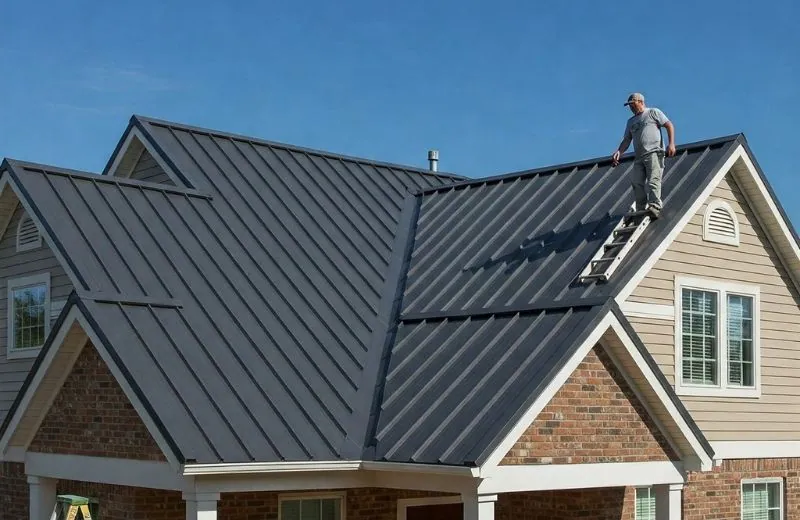
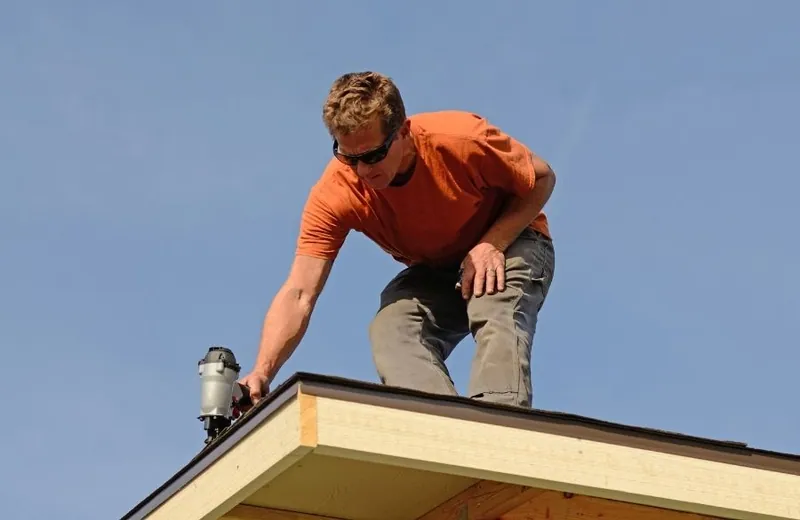
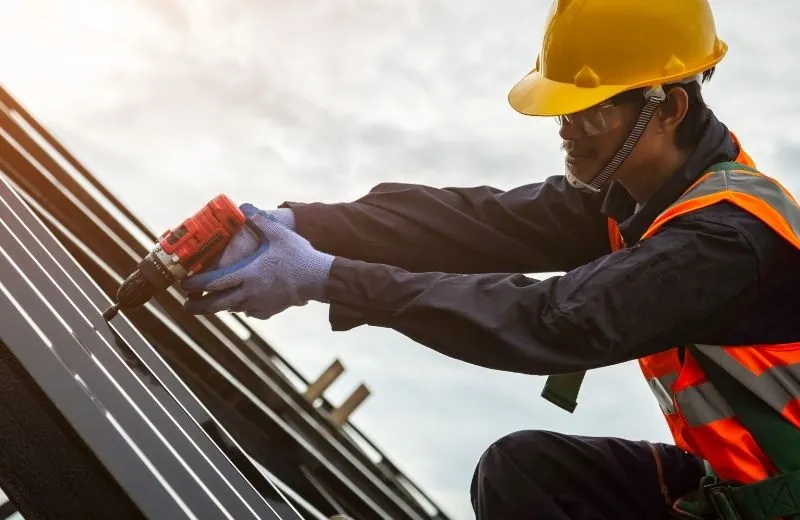
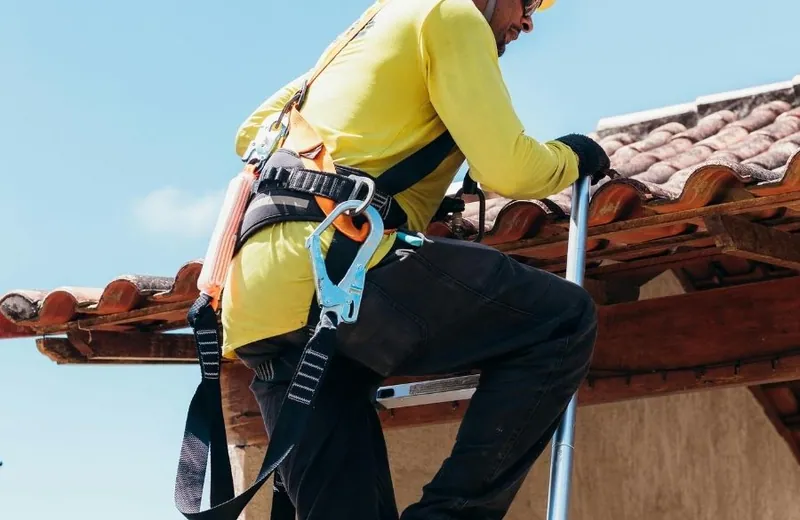
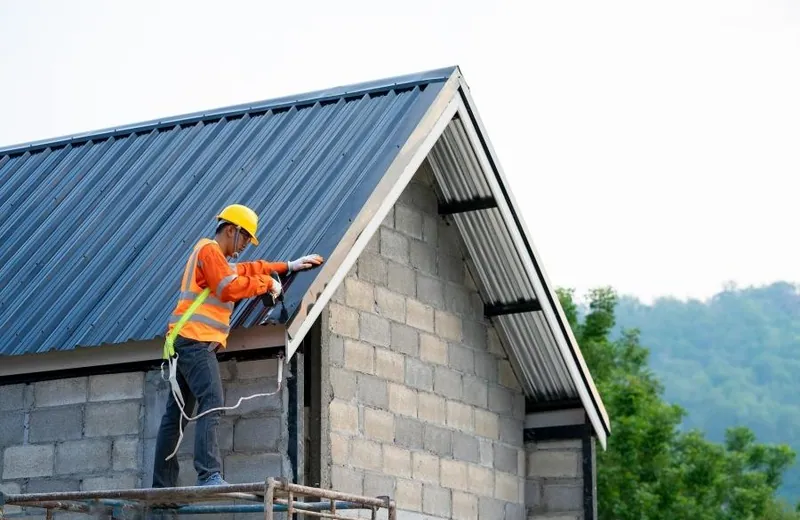
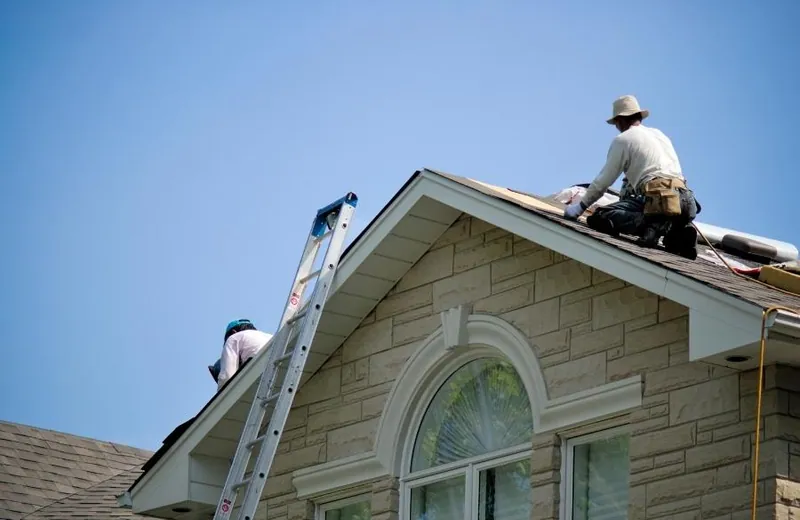
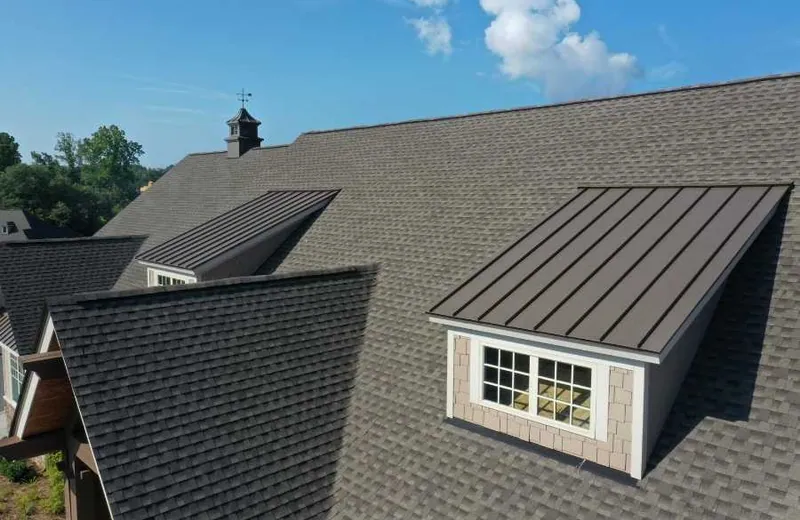
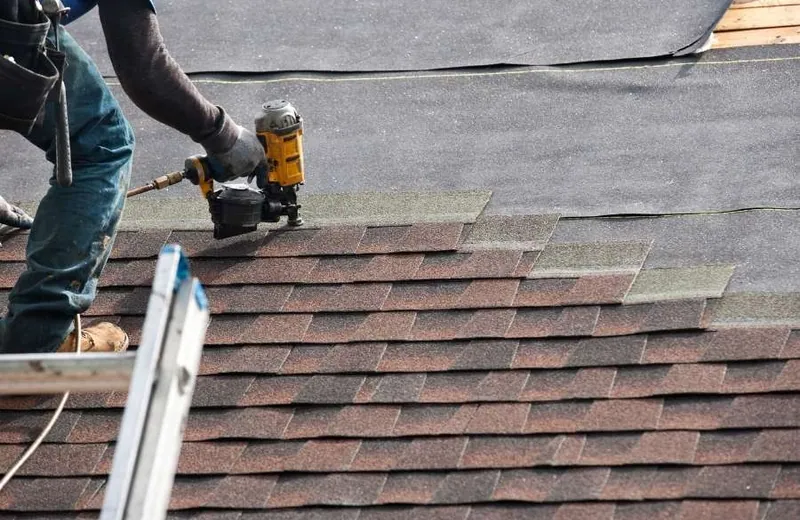
Recent roofing Projects in Temple Terrace, FL
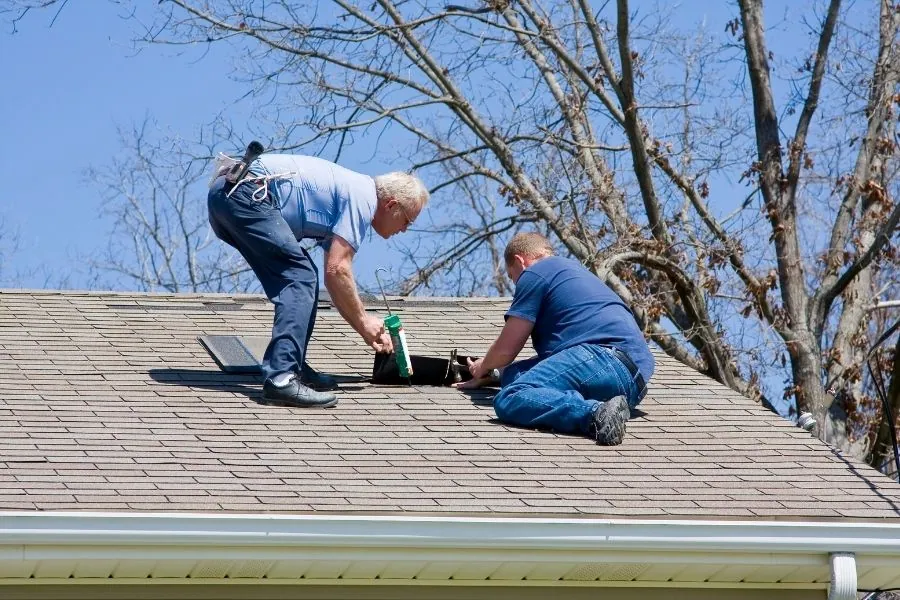
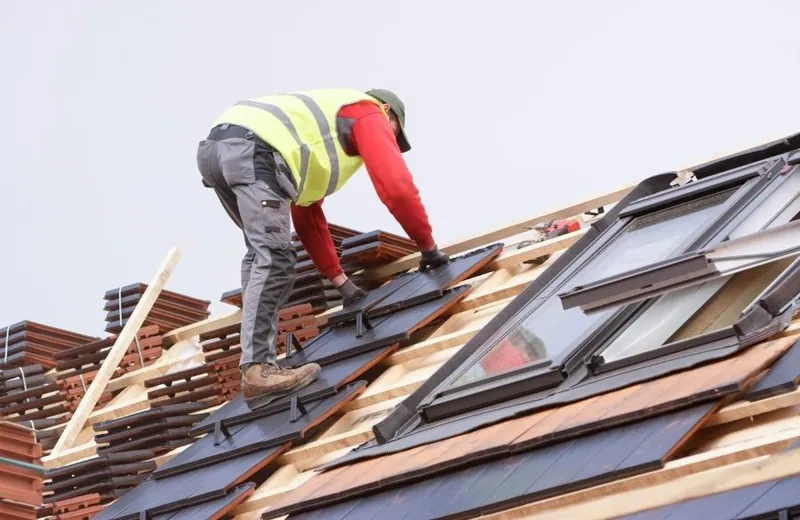
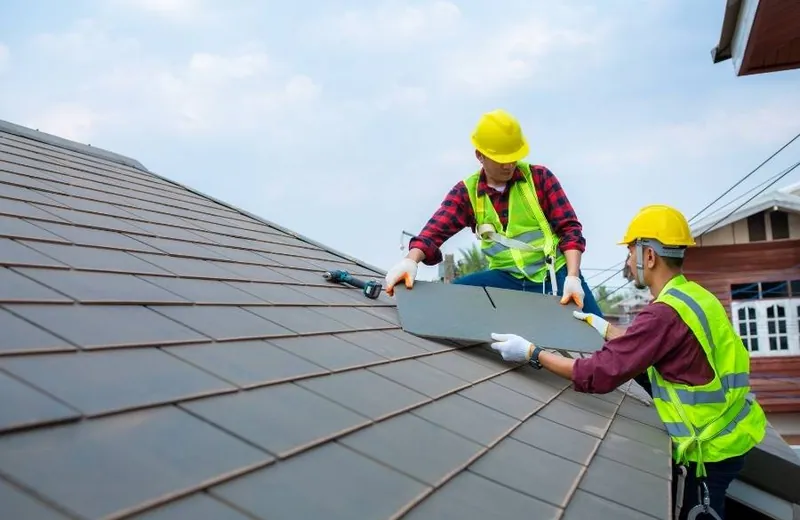
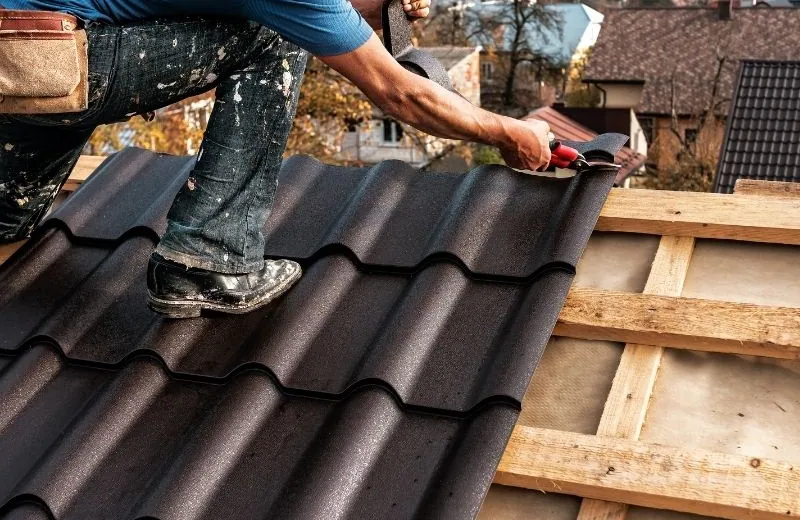
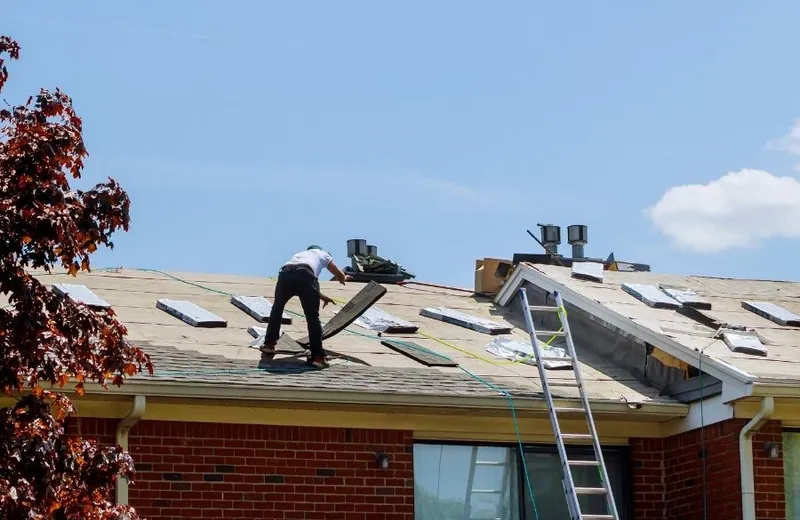
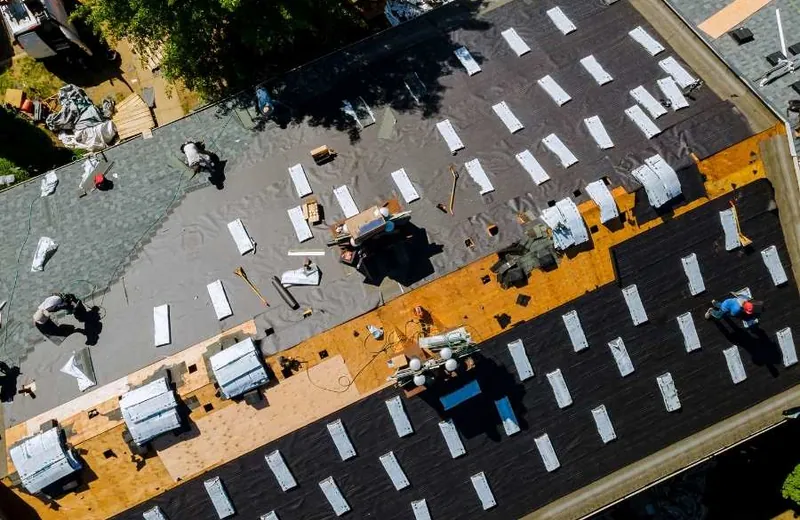
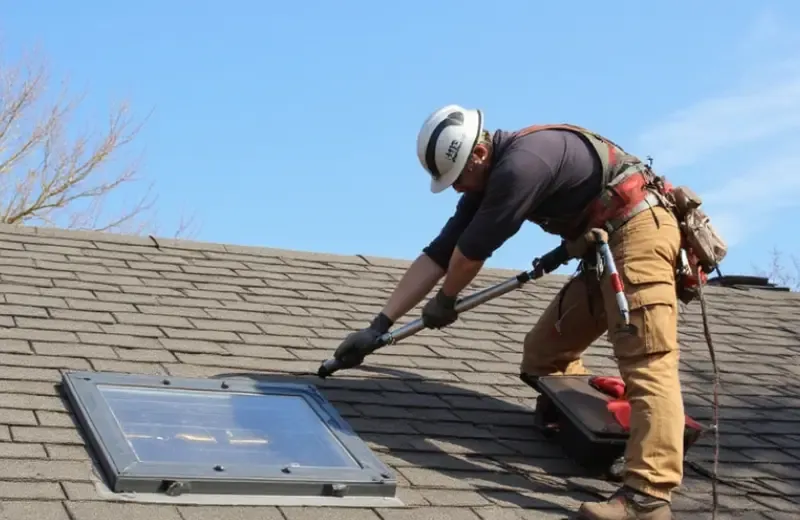
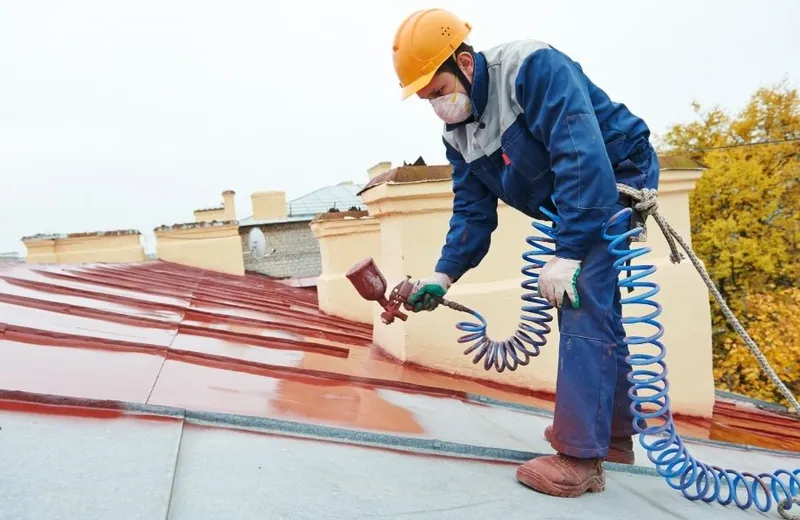
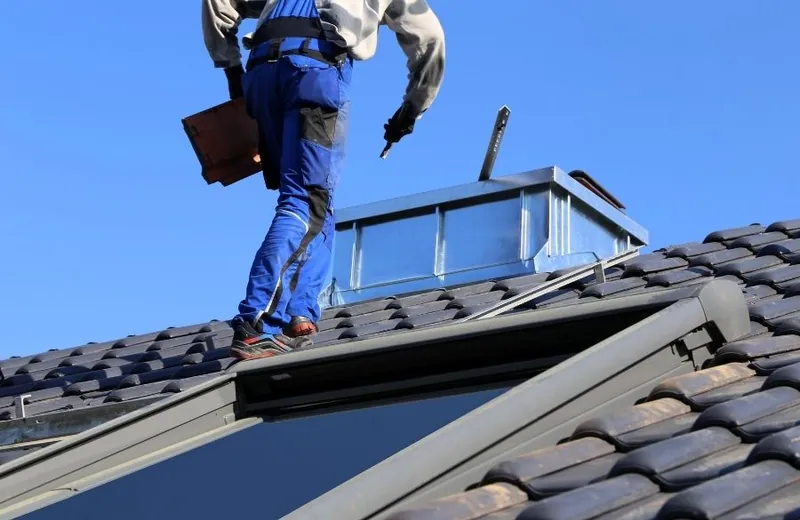
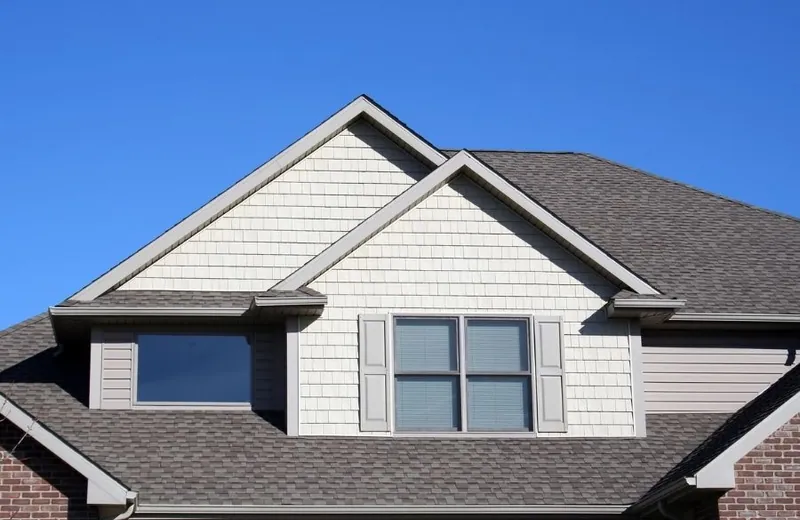
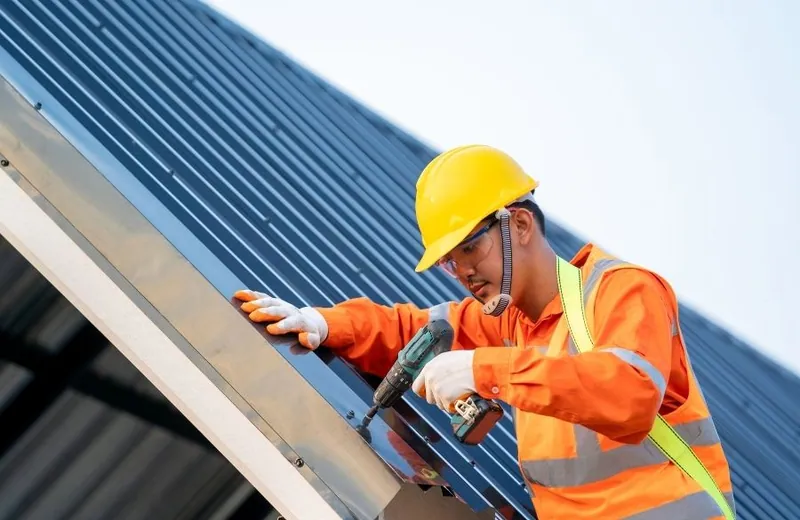
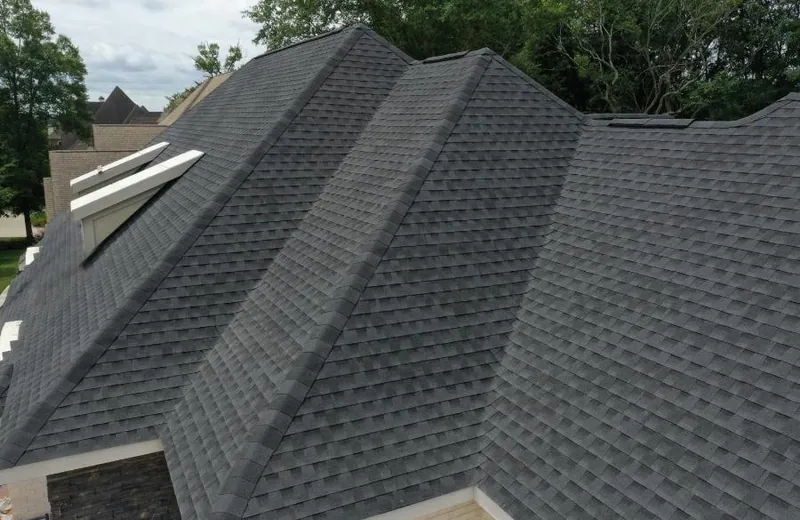
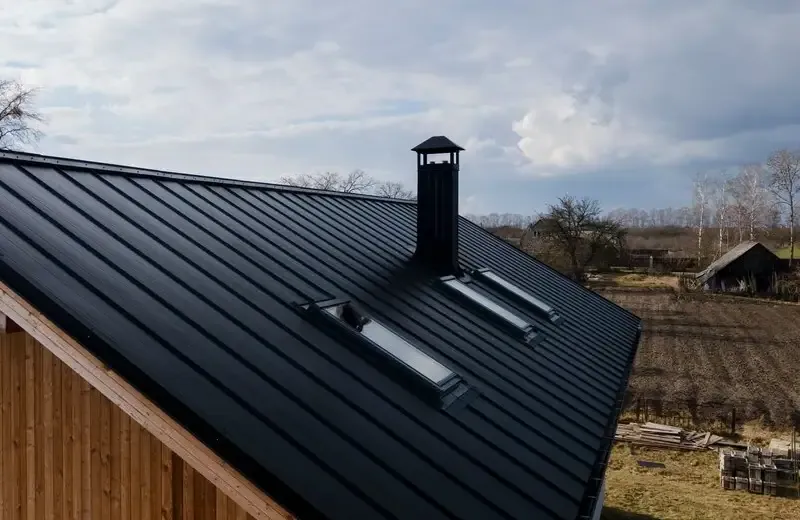
Roofing FAQs for Temple Terrace Homeowners
How much does a new roof cost in Temple Terrace?
A full architectural shingle replacement on a typical Temple Terrace home with about 2,000 square feet of roof usually falls between $12,000 and $22,000. That includes tear-off, deck re-nailing and the required secondary water barrier. Standing-seam metal and tile tend to land between $22,000 and $48,000 or more, depending on size and detail. Repairs often cost a few hundred to a couple thousand dollars. The biggest unknown is rotted decking on mid-century homes, so we list per-sheet pricing in writing. Financing is available if you need to spread out the cost.
How long does a roof replacement take?
Most shingle replacements on Temple Terrace homes take 1–3 days on the roof. Tile and larger or more complex roofs may take 4–7 days. Before work starts, permitting and any HOA review usually take 1–3 weeks, depending on whether your home is in Temple Terrace, Tampa, unincorporated Hillsborough or Pasco. In summer, we start early and only tear off what we can dry in before afternoon storms, which can stretch the schedule a little. Final inspection typically happens within a few days of completion.
Do I need a permit to replace or repair my roof in Temple Terrace?
Yes. Roof replacement and most significant repairs need a permit. Inside city limits, permits go through the City of Temple Terrace. Tampa addresses go through the City of Tampa, unincorporated areas like Thonotosassa and Brandon go through Hillsborough County, and Wesley Chapel and Land O' Lakes go through Pasco County. The work has to meet the Florida Building Code and use Florida Product Approved materials. We handle the permit, product approvals and inspections. Historic homes and HOA communities may need extra approvals, and we prepare those packets too.
My insurer says my roof is too old. What should I do?
Act quickly, but don't panic. Many carriers won't renew shingle roofs older than about 15 years or tile roofs older than about 25–30 years, and they may ask for a 4-point inspection or roof certification. Start with a professional inspection to find out whether your roof needs repair or replacement. If you do need a new roof, we'll schedule it around your renewal date, handle permits and provide wind mitigation documentation. Features like a sealed roof deck and proper roof-to-wall connections may lower your premium.
When should I call a roofer instead of waiting?
Call right away if you see active leaks, ceiling stains that are spreading, missing shingles or tile after a storm, a limb on the roof, or exposed underlayment. In Temple Terrace's wet season, a small opening can take on water nearly every afternoon. Schedule an inspection soon if your shingle roof is 15 or more years old, you see granule loss or curling, your fascia is soft, or your insurer has asked for documentation. Planning a replacement in the November–May dry season is easier than rushing one during hurricane season.
Why does my tile roof leak when the tiles look fine?
Tile isn't the waterproof layer. The underlayment beneath it is. In Temple Terrace's heat and humidity, that underlayment often wears out decades before the tile does, especially on roofs from the 1990s and early 2000s and on historic barrel tile homes. Water slips between tiles in wind-driven rain and runs through the failed felt. The fix is usually a tile lift-and-relay: we remove the tile, install new self-adhered underlayment and flashing, and reinstall the sound tiles, replacing broken ones with matching profiles.
Is metal roofing a good choice in Temple Terrace?
For many homes, yes. Properly installed standing-seam or 5V metal roofs handle high winds well, shed heavy rain quickly and reflect a lot of solar heat, which helps during 90°F-plus summers. Metal is already common in Thonotosassa, Dover and Seffner, and more Temple Terrace homeowners are choosing it for its long service life. It costs more upfront than shingles. Some HOAs restrict metal profiles or colors, and historic properties may need review, so we check those rules before you commit.
How can I prevent roof problems between storms?
Keep valleys and gutters clear. That matters a lot under Temple Terrace's oaks and pines, and gutter guards help. Trim limbs that hang over the roof before hurricane season. Have the roof inspected once a year and after major storms, and check pipe boots and flashing, since Florida UV breaks rubber down quickly. Make sure your attic has balanced soffit and ridge ventilation, and soft-wash algae instead of pressure-washing. Fixing small issues in the dry season keeps them from turning into ceiling leaks in July.
Serving Temple Terrace, FL & Nearby
Schedule Your Temple Terrace Roof Inspection Today
Whether you're dealing with an insurance deadline, a stain after last week's storm or a roof that's simply getting old, get clear answers from a local, bonded and insured roofing team before hurricane season.
- ✓Thorough roof and attic inspection with photo documentation
- ✓Itemized written proposal with no hidden decking surprises
- ✓Permits and HOA paperwork handled for you
- ✓New roofs built to Florida Building Code wind requirements
- ✓Wind mitigation documentation for your insurance carrier
- ✓Financing available for replacements
- ✓Regular updates from first visit to final inspection
⚡ Active leak or storm damage? Call now for emergency roof repair and secured tarping to stop water before the next afternoon storm.
Bonded • Insured